

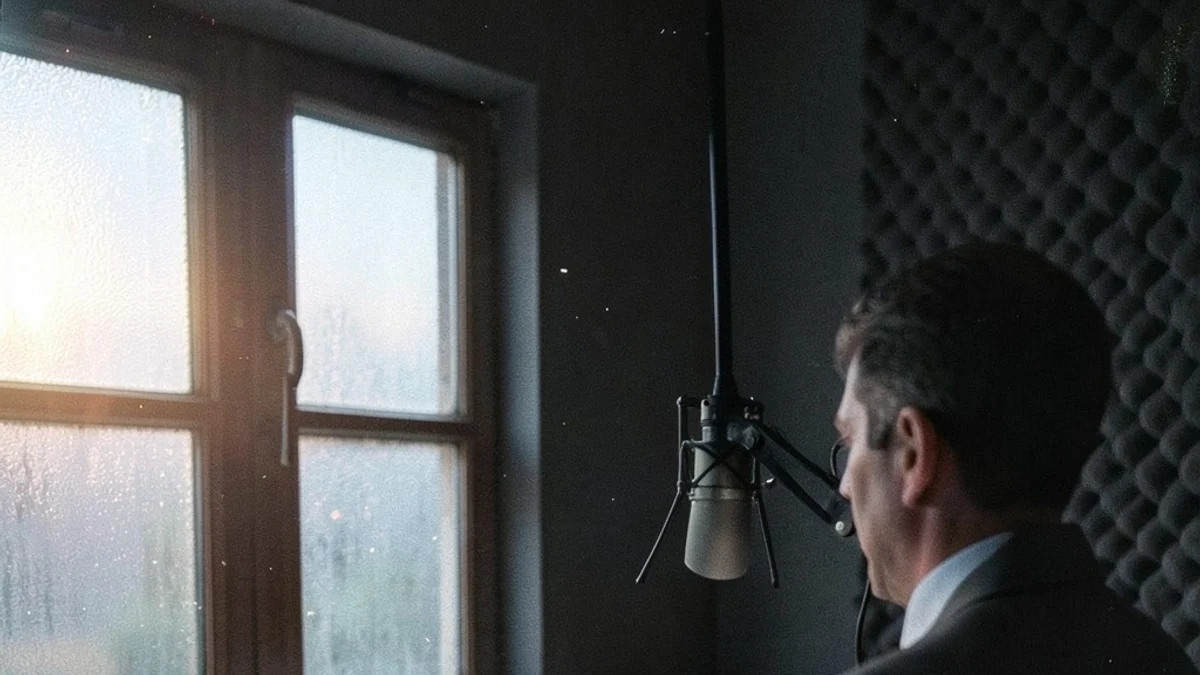
Love is intentional cadence over compulsive notification checking. When we strip away the dopamine spikes engineered by modern app designers, romance remains an exchange of measured rhythms rather than an unceasing ping-pong match of validation.
Spend enough decades analyzing digital communications under fluorescent basement lights in Cheltenham, and patterns emerge from the wreckage of modern courtship. People treat dating apps either like an urgent corporate Slack channel requiring instant triage or an abandoned postbox checked once a season. Neither yields a functional human connection. The sweet spot lives in the friction—specifically, a deliberate pacing strategy that safeguards your time while signaling genuine, unhurried interest. If you have ever wondered how fast should you reply on dating apps without killing the momentum, the answer rests not in rigid seconds, but in behavioral equilibrium.
Key Takeaways Dossier
- The compulsive micro-reply habit trains algorithms and matches to devalue your time, turning a prospective romance into an on-demand customer service interaction.
- Pacing your replies allows your nervous system to process reality rather than projecting fantasy onto a pixelated profile.
- Artificial intelligence and romance syndicates rely on speed to manufacture intimacy; slowing down is your most effective counter-intelligence tool.
- Intentional delays filter out impatient manipulators while signaling to emotionally stable partners that you possess a rich, independent life offline.
The Pathology of the Immediate Ping
Observe a standard smartphone user when a dating app notification chimes. The thumb twitches, the screen lights up, and a reply fires off within four seconds. We tell ourselves we are simply being polite, efficient, or eager. Forensic analysis of chat logs tells a different story.
When you reply instantly every single time, you inadvertently establish a baseline of complete availability. Within twenty-four hours, this behavior trains your match to view you not as an autonomous person with a career, books to read, and tea to brew, but as a perpetual assistant waiting behind a digital counter. Worse, conversational depth plummets. Instead of crafting thoughtful paragraphs containing observations, questions, and wit, instantaneous chat devolves into broken shards of monosyllabic text: haha yeah, cool, wyd.
To conduct a proper digital-dialogue analysis, look at the health of the back-and-forth. Healthy exchanges require breathing room. If you answer instantly, you deny the other person the quiet space required to formulate a compelling follow-up. You rob them of the gentle chase.
The Mechanics of the Fifteen Minute Window
Implementing a deliberate lag does not mean playing juvenile games or waiting arbitrary hours just to look indifferent. It means reclaiming your autonomy. The fifteen-minute rule is wonderfully simple: when a notification arrives while you are engaged in life—working, walking the dog, preparing dinner—finish the task at hand. Let the message sit for ten to fifteen minutes.
This short interval achieves two distinct psychological feats. First, it lowers your own physiological arousal. It prevents you from reacting from a place of sudden dopamine acquisition. Second, it demonstrates confidence. A person who returns to a conversation after fifteen minutes communicates a quiet, undeniable truth: I am interested in getting to know you, but my world does not revolve around a screen.
Before diving deeper into a prolonged digital courtship, it pays to run your interactions through objective measures. We invite you to utilize our client-side Dating Risk Calculator to evaluate threat vectors, conversation velocity, and potential red flags safely without compromising your privacy.
Spotting the Synthetic Velocity Trap
While human daters benefit from slowing down, automated spambots and professional romance syndicates operate on the exact opposite frequency. If you match with someone whose profile looks suspiciously pristine—think immaculate lighting, professional portfolio imagery, and a bio that reads like a luxury travel brochure—pay strict attention to their response velocity.
Synthetic personas and pig-butchering fraudsters do not care about conversational rhythm. They care about funnel velocity. They want to rush you off the native dating platform and onto an encrypted messaging app within three exchanges. If you test their patience by applying a natural fifteen-minute pause, automated bots or handlers managing multiple victims will often break script, double-message, or pivot aggressively back to their rehearsed financial scripts. Real people with genuine intentions appreciate a conversational partner who values real-world pacing over breathless urgency.
Protecting Your Boundaries in a Hyper-Connected Era
The modern dating landscape weaponizes speed against our better instincts. Apps are explicitly designed to keep your thumb scrolling and your heart rate elevated. By mastering the art of the intentional pause, you flip the script. You stop being a passive consumer of algorithmic validation and become an active investigator of character.
Observe how your matches react when you take time to reply. Do they pitch a fit, demand immediate attention, or accuse you of ghosting after thirty minutes of silence? Or do they match your relaxed cadence, treating the conversation as a pleasant addition to their day rather than an emergency broadcast? The answer will tell you everything you need to know about how they will handle conflict, boundaries, and emotional intimacy down the road.
Frequently Asked Questions
Is it really necessary to wait before replying on dating apps?
Waiting is not a mandatory game, but rather a functional boundary. Replying instantly every time trains matches to devalue your time and often leads to shallow, rushed conversations that burn out within days. Pacing your responses fosters healthier, more deliberate exchanges.
How do I handle a match who gets upset if I take too long to reply?
Anxiety or anger over a delayed response within a matter of hours is a significant behavioral red flag. It indicates a lack of emotional regulation and an entitlement to your time. Healthy partners respect that you have a life away from your smartphone.
Can slow replies cause a good match to lose interest?
A balanced fifteen-to-thirty-minute pause will never deter a genuinely compatible person. In fact, it typically heightens anticipation and elevates the quality of the dialogue. If someone abandons a promising connection simply because you did not reply within sixty seconds, they were likely seeking fast validation rather than a substantive relationship.
⚡ Quick Scan: Is Your Dating Match Real?
Instant cross-reference against verified anti-bot database and spoofing patterns.