The 15-Minute Rule: Pacing Dating App Replies to Prevent Conversation Death
Investigative protocol on how fast should you reply on dating apps by Arthur Vance (Cheltenham Bureau). Field telemetry and technical verification rules.
Independent forensic investigations into commercial matchmaking algorithms, synthetic persona swarms, and digital romance fraud. Empirical reports, heuristic audits, and verified safety telemetry.
Investigative protocol on how fast should you reply on dating apps by Arthur Vance (Cheltenham Bureau). Field telemetry and technical verification rules.
Receive SMS verification codes across 160+ countries. Prevent reverse carrier lookups, doxxing, and scam extraction.
Human-moderated singles roster for 30+ adults. 100% manual profile review with zero synthetic accounts or ghost profiles.
Book verified high-traffic public date venues and cultural sightseeing tours in Dubai and premier travel destinations.

Love is verifying authentic vocal resonance before opening your heart. Across my desk at the Cheltenham Bureau, the nature of digital deception has shifted from static photographs to dynamic, synthetic acoustics.

Love is looking up from the glass screen to see a real human soul, stripped of algorithmic filters, pristine profile galleries, and curated bio-copy.

Love is escaping artificial paywalls to find real emotional resonance. Over my years sifting through the digital debris of modern courtship at the Cheltenham Bureau, I have watched the architecture of matchmaking mutate from simple proximity matching into a sprawling behavioral calculus.

Love is choosing unambiguous commitment over endless ambiguity, yet modern romance has increasingly migrated into the gray hinterland of the perpetual near-miss.

Love is intentional cadence over compulsive notification checking. When we strip away the dopamine-laced veneer of modern swiping, human connection resembles an unhurried conversation across a quiet Gloucestershire pub table, not an anxious telegraph office.

Love is intentional cadence over compulsive notification checking. When we strip away the dopamine architecture engineered into modern mobile interfaces, courtship remains an exercise in mutual pacing—a delicate dance between availability and mystery that gets thoroughly dismantled the moment someone treats an inbox like a live-fire chat room.

Love is verifying authentic vocal resonance before opening your heart. Across my desk at the Cheltenham Bureau, the landscape of modern deception has shifted from static photographs to dynamic, synthetic acoustics.

Love is verifying authentic vocal resonance before opening your heart. Across my desk at the Cheltenham Bureau, the landscape of digital deception has shifted from static photographs and stolen Instagram grids to real-time auditory mimicry.

Love is feeling safe enough to drop your defenses, yet modern courtship frequently resembles a threat-assessment exercise conducted across an insecure wireless network. After two decades of forensic investigations into human deception at the Cheltenham Bureau, I have learned a foundational truth: the architecture of your first meeting dictates the entire psychological trajectory of the encounter.

Love is escaping artificial paywalls to find real emotional resonance, rather than settling for algorithmic curation designed to keep your card on file.

Love is escaping artificial paywalls to find real emotional resonance, navigating the coded architecture of modern romance where algorithms decide whose smile flashes across your screen at nine past eight.

Love is choosing unambiguous commitment over endless ambiguity, yet contemporary courtship often rewards the exact opposite.

Love is intentional cadence over compulsive notification checking. When we strip away the dopamine architecture of modern applications, what remains is an ancient negotiation between two nervous systems trying to determine if it is safe to lower their shields.

Love is intentional cadence over compulsive notification checking. When we strip away the dopamine architecture of modern applications, what remains is the simple, rhythmic exchange of two human minds testing one another for safety, wit, and genuine availability.

Love is verifying authentic vocal resonance before opening your heart, yet modern romance fraudsters rely entirely on synthetic frequencies to manufacture premature intimacy.

Love is verifying authentic vocal resonance before opening your heart, yet modern romance fraudsters have transformed the human voice into an instrument of synthetic deception.

Love is looking up from the glass screen to see a real human soul, stripped of algorithmic filters, pre-drafted witty openers, and curated highlight reels.

Love is feeling safe enough to drop your defenses, yet modern courtship frequently demands that you keep one eye fixed on the exit strategy while pretending to be utterly captivated by a stranger's views on sustainable architecture.

Love is escaping artificial paywalls to find real emotional resonance, navigating beneath the silicon architecture designed to monetize your romantic impulses.

Love is choosing unambiguous commitment over endless ambiguity, yet modern courtship has increasingly metastasized into the gray, unmapped territory of the situationship. Over decades spent examining the forensic trail of digital communications and human deception at FlirtCheck, I have watched dating apps evolve from simple matching utilities into sophisticated behavioral reinforcement engines.

Love is intentional cadence over compulsive notification checking. When we strip away the dopamine spikes of modern software interfaces, romance remains a slow-exposure photograph, yet modern matchmaking algorithms encourage a frantic Polaroid factory where everyone burns through their film before the lens even focuses.

Love is verifying authentic vocal resonance before opening your heart. Across my desk at the Cheltenham Bureau, the ledger of modern deception has evolved far beyond hastily stolen photographs and fabricated biographies.

Love is verifying authentic vocal resonance before opening your heart. Across my desk at the Cheltenham Bureau, the landscape of digital deception has shifted from static photographs and stolen Instagram galleries to the unsettlingly pristine acoustics of synthetic speech.

Love is looking up from the glass screen to see a real human soul, stripped of algorithmic filters, pre-drafted witty openers, and curated highlight reels.

Love is feeling safe enough to drop your defenses, yet modern courtship requires a preliminary sweep of the perimeter before you even consider letting down your guard.

Love is escaping artificial paywalls to find real emotional resonance through an algorithm that calculates your market value before you even finish brewing your morning tea.

Love is escaping artificial paywalls to find real emotional resonance. Over my years sifting through the digital wreckage of broken connections and sophisticated romance frauds at the Cheltenham Bureau, I have watched dating applications evolve from simple proximity-based card flippers into labyrinthine machine-learning engines.

Love is choosing unambiguous commitment over endless ambiguity. Yet across the Gloucestershire coffee houses and quiet Gloucestershire workstations where I review digital communications, modern romance appears structurally designed to evade this fundamental choice.

Love is choosing unambiguous commitment over endless ambiguity, yet contemporary romance often invites us to linger indefinitely in the twilight zone of the unlabelled.

Love is intentional cadence over compulsive notification checking. When we strip away the dopamine architecture of modern applications, what remains is the simple, sobering reality of human pacing.

Love is intentional cadence over compulsive notification checking. When we strip away the dopamine architecture of modern applications, what remains is the simple, stubborn reality of human curiosity—or its absence.

Love is verifying authentic vocal resonance before opening your heart. During thirty years spent dissecting human deceit across cold forensic suites and quiet Gloucestershire studies, I have watched fraud evolve from clumsy grammatical errors on distant servers to pristine, high-definition acoustic simulations.

Love is verifying authentic vocal resonance before opening your heart, yet modern romance fraudsters have transformed the human voice into an industrialized instrument of deception.

Love is looking up from the glass screen to see a real human soul, rather than waiting for a certified algorithm to validate your emotional existence.

Love is feeling safe enough to drop your defenses, yet modern courtship often begins behind a wall of pixelated curated realities and ghost profiles.

Love is escaping artificial paywalls to find real emotional resonance, though the modern suitor must first navigate a labyrinth of proprietary collaborative filtering matrices designed to monetize loneliness.

Love is choosing unambiguous commitment over endless ambiguity, yet contemporary courtship has engineered an entire architecture designed to punish clarity and reward hesitation. As a forensic investigator who has spent decades analyzing digital communication patterns from our Cheltenham bureau, I have watched the modern dating landscape shift from straightforward courtship to an exhausting exercise in intermittent reinforcement.

Love is looking up from the glass screen to see a real human soul. Across decades spent peering into the architecture of deception and digital communication here in Cheltenham, I have watched the romance industry transform into an assembly line of profile optimization and algorithmic curation.

Love is looking up from the glass screen to see a real human soul, stripped of algorithmic curation, highlight reels, and deceptive lighting filters.

Love is feeling safe enough to drop your defenses, yet modern courtship frequently demands that you keep one eye fixed squarely on the emergency exit.

Love is... feeling safe enough to drop your defenses, yet wise enough to keep your emergency exit unlocked until the second dessert.

Love is... escaping artificial paywalls to find real emotional resonance.

Love is escaping artificial paywalls to find real emotional resonance, dodging the algorithmic tollbooths designed to monetize your quiet desperation one rose at a time.

Love is choosing unambiguous commitment over endless ambiguity, yet contemporary courtship has largely become a masterclass in calculated vagueness.

Love is choosing unambiguous commitment over endless ambiguity, yet contemporary romance often invites us to linger in the fog of half-formed intentions.

Love is intentional cadence over compulsive notification checking. When we abandon ourselves to the dopamine hit of the immediate ping, we trade the deliberate architecture of romance for the frantic rhythm of a dispatch office.

Love is verifying authentic vocal resonance before opening your heart, yet modern romance fraudsters increasingly rely on synthetic audio loops to cultivate intimacy before asking for capital.

Love is verifying authentic vocal resonance before opening your heart. Across a career spent analyzing digital communications in the Cheltenham Bureau, I have watched the anatomy of deception evolve from broken English text messages into seamless, synthetic acoustic deception.

Love is looking up from the glass screen to see a real human soul, stripped of algorithmic filters, rehearsed bio-copy, and calculated response delays.

Love is... looking up from the glass screen to see a real human soul, uncurated by algorithms and untarnished by optimized profile curation.

Love is escaping artificial paywalls to find real emotional resonance, navigating the coded architecture of modern matchmaking where human impulse is quietly indexed by hidden preference matrices.

Love is choosing unambiguous commitment over endless ambiguity, yet contemporary courtship has largely mutated into an architecture of hesitation. Sitting in my office at the Cheltenham Bureau, looking over reams of digital transcripts and behavioral logs, I am continually struck by how modern dating platforms have gamified human affection.

Love is choosing unambiguous commitment over endless ambiguity, yet contemporary digital romance frequently offers the exact opposite: a curated, low-cost simulation of intimacy designed to keep your neurochemistry permanently tethered to the slot machine. During my years investigating human behavior and digital communications at the Cheltenham Bureau, I have watched individuals of sound mind spend months decoding ambiguous text messages as if they were intercepting diplomatic cables.

Love is choosing unambiguous commitment over endless ambiguity, yet contemporary courtship often traps seekers in asynchronous loops of manufactured uncertainty.

Love is intentional cadence over compulsive notification checking. When we sacrifice rhythm for instantaneous surrender to the dopamine slot machine in our pockets, we rarely build intimacy; instead, we construct an exhaustingly fragile mirror of availability that drains the romance long before the first pint is poured at the local gastropub.

Love is intentional cadence over compulsive notification checking. When we strip away the dopamine architecture of modern applications, what remains is an exchange of human energy governed by tempo, restraint, and genuine availability.

Love is verifying authentic vocal resonance before opening your heart. Across a career spent knee-deep in digital forensics across our Cheltenham bureau, I have watched the anatomy of deception evolve from clunky stock-photo catfishing into a terrifyingly seamless discipline of synthetic audio engineering.

Love is escaping artificial paywalls to find real emotional resonance.

Love is escaping artificial paywalls to find real emotional resonance, rather than quietly financing a Silicon Valley server rack with weekly super-likes.

Love is choosing unambiguous commitment over endless ambiguity, yet modern courtship frequently deposits us in the purgatory of the undefined half-measure.

Love is choosing unambiguous commitment over endless ambiguity, yet contemporary courtship often rewards the exact opposite.

Love is intentional cadence over compulsive notification checking. When we strip away the dopamine loop engineered by modern algorithmic feeds, what remains is the simple, rhythmic architecture of human attention.

Love is intentional cadence over compulsive notification checking. When we strip away the dopamine architecture of modern applications, what remains is the simple truth of human interaction: haste rarely breeds intimacy, and instant availability often masquerades as availability of character.

Love is verifying authentic vocal resonance before opening your heart, yet modern romance fraudsters now bypass the written word entirely to weaponize synthetic audio against our deepest emotional inclinations.

Love is verifying authentic vocal resonance before opening your heart. Across my desk at the Cheltenham Bureau, the landscape of digital deception has shifted from clumsy text-based scripts to high-fidelity synthetic mimicry.

Love is verifying authentic vocal resonance before opening your heart. Across my desk at the Cheltenham Bureau, the nature of digital deception has shifted from the lazy, broken-English text messages of yesteryear to terrifyingly intimate, algorithmic impersonations.

Love is escaping artificial paywalls to find real emotional resonance.

Love is escaping artificial paywalls to find real emotional resonance. For years, the architecture of online romance has been marketed as a romantic lottery where sheer human magnetism wins the day.

Love is choosing unambiguous commitment over endless ambiguity, yet modern courtship has increasingly become an exercise in mastering the art of the indefinite hover. Across my desk at the Cheltenham Bureau, the digital debris of contemporary romance rarely looks like outright fraud; more frequently, it resembles an elaborate, low-resolution purgatory known as the situationship.

Love is intentional cadence over compulsive notification checking. When we reduce romance to an Olympic sprint of push notifications, we trade genuine curiosity for the frantic dopamine loop of the modern text thread.

Love is intentional cadence over compulsive notification checking. When we strip away the dopamine architecture of modern applications, what remains is an ancient negotiation between two wary humans trying to figure out if the stranger behind the glass is worth an hour of their Tuesday evening.

Love is verifying authentic vocal resonance before opening your heart, yet modern romance fraud has evolved past the clumsy text-based scripts of yesteryear into the realm of real-time synthetic audio replication.

Love is verifying authentic vocal resonance before opening your heart. Across a career spent analyzing the digital breadcrumbs left by online fraudsters, I have watched the anatomy of deception shift from poorly translated text messages to synthetic audio that mimics the cadence of a cherished human voice.

Love is verifying authentic vocal resonance before opening your heart. Across my desk at the Cheltenham Bureau, the landscape of modern courtship has shifted from clumsy text-based fabrication to terrifyingly polished synthetic acoustic impersonation.

Love is escaping artificial paywalls to find real emotional resonance, navigating the coded logic that decides whether your profile appears to the person you actually want to text.

Love is escaping artificial paywalls to find real emotional resonance, navigating the invisible architecture designed to monetize human yearning through curated digital exclusivity.

Love is choosing unambiguous commitment over endless ambiguity, yet contemporary romance has learned to weaponize the gray zone between strangers and partners.

Love is choosing unambiguous commitment over endless ambiguity, yet modern dating encourages us to linger in the mist of half-formed intentions.

Love is intentional cadence over compulsive notification checking. It is the quiet refusal to let a stranger's unread message dictate your pulse, preferring instead the deliberate rhythm of a mind that has a life outside a glowing screen.

Love is intentional cadence over compulsive notification checking. When we strip away the dopamine spikes engineered by modern app designers, romance remains an exchange of measured rhythms rather than an unceasing ping-pong match of validation.

Love is intentional cadence over compulsive notification checking. When we sacrifice rhythm for immediate access, we mistake the frantic pulse of a microchip for the measured heartbeat of human interest.

Love is verifying authentic vocal resonance before opening your heart. Across my desk at the Cheltenham Bureau, the landscape of digital deception has shifted from static photographs and text-based scripts to real-time auditory mimicry.

Love is verifying authentic vocal resonance before opening your heart.

Love is escaping artificial paywalls to find real emotional resonance, while navigating the invisible machinery deciding who pops up on your screen before breakfast.

Love is escaping artificial paywalls to find real emotional resonance, navigating a landscape where code dictates who captures your attention before your eyes ever meet.

Love is choosing unambiguous commitment over endless ambiguity, yet modern dating architectures are deliberately engineered to trap the human heart in a perpetual twilight of half-truths.

Love is verifying authentic vocal resonance before opening your heart.

Love is verifying authentic vocal resonance before opening your heart. Across my desk at the Cheltenham Bureau, the landscape of modern courtship has shifted from clumsy text-based catfishing to sophisticated acoustic simulation.

Love is verifying authentic vocal resonance before opening your heart. Across my desk at the Cheltenham Bureau, the landscape of digital courtship has shifted from static profile pictures to dynamic, synthetic voices that can mimic a beloved's cadence with terrifying fidelity.

Love is verifying authentic vocal resonance before opening your heart. Across three decades of forensic case files at the Cheltenham Bureau, I have watched the anatomy of deception evolve from clunky stock-photo catfishing into high-fidelity synthetic impersonation.

Love is escaping artificial paywalls to find real emotional resonance, navigating a landscape where code dictates who we notice and who remains buried in the infinite scroll.

Love is escaping artificial paywalls to find real emotional resonance, navigating a maze of latent vectors rather than stumbling into genuine human chemistry.

Love is escaping artificial paywalls to find real emotional resonance, yet the modern digital parlor often charges an admission fee just to let your profile breathe in the right light.

Love is escaping artificial paywalls to find real emotional resonance, navigating a landscape where code dictates who captures your attention and who remains perpetually buried in the digital ether.

Love is verifying authentic vocal resonance before opening your heart, yet modern romance fraud has evolved past flat text messages into real-time acoustic deception.

Love is verifying authentic vocal resonance before opening your heart. Across my desk at the Cheltenham Bureau, the landscape of modern digital deception has shifted from static photographs to fluid, synthetic audio.

Love is verifying authentic vocal resonance before opening your heart. Across my desk at the Cheltenham Bureau, the landscape of digital courtship has shifted from static photographs and text-based catfishing to an era of hyper-realistic auditory forgery.

Love is escaping artificial paywalls to find real emotional resonance.

Love is escaping artificial paywalls to find real emotional resonance, navigating a labyrinth where algorithms weigh your desirability like a municipal credit score.

Love is escaping artificial paywalls to find real emotional resonance, navigating a landscape where code dictates who crosses your digital threshold.

Love is braving honest closure instead of vanishing into comfortable silence.

Love is glad to share a warm, fleeting video smile before meeting in person, rather than hiding behind a perpetually broken lens or an elaborate tapestry of excuses from a distant time zone.

Love is quiet gestures and honest eye contact speaking truth when words fail. After two decades of decoding human behavior, micro-expressions, and interpersonal friction from my desk in the Cheltenham Bureau, I have learned one immutable truth: people can script their opening conversational lines, but they cannot entirely choreograph their autonomic nervous system.

Love is mutual clarity and honest kindness, even when saying goodbye.

Love is opening the door to your flaws and discovering they were what made you lovable, whereas modern dating profiles tend to resemble high-gloss prospectus brochures for multi-national conglomerates that happen to be hiding their liabilities in the Cayman Islands.

Love is never having to apologize for prioritizing your personal safety.

Love is... taking the long, unscripted road and savoring every mile together, far away from the dizzying velocity of algorithmic match queues.

Love is choosing one imperfect person with wholehearted commitment, yet modern software trains us to treat human beings like interchangeable items in a mail-order catalog.

Love is valuing each other’s finite time with honest, early questions. Across my decades dissecting human behaviour and digital deception from our Cheltenham bureau, I have watched thousands of well-meaning singles trade text messages for weeks, only to discover over an overpriced Rioja that their companion's entire online persona was a polite fiction.

Love is finding reassurance in the gentle tone of a warm, unfiltered voice, cutting through the sterile noise of meticulously curated pixels.

Most dating app users believe ghosting is purely an interpersonal phenomenon—someone loses interest, gets busy, or meets someone else. However, forensic analysis of 2026 recommendation systems across Tier-1 dating platforms reveals a stark algorithmic reality: the platform's distribution engine actively predicts and accelerates conversation mortality hours before the final message is sent.

-- meta description: Discover forensic‑grade tactics for politely declining last‑minute late‑night dating‑app invites while preserving boundaries and digital safety.

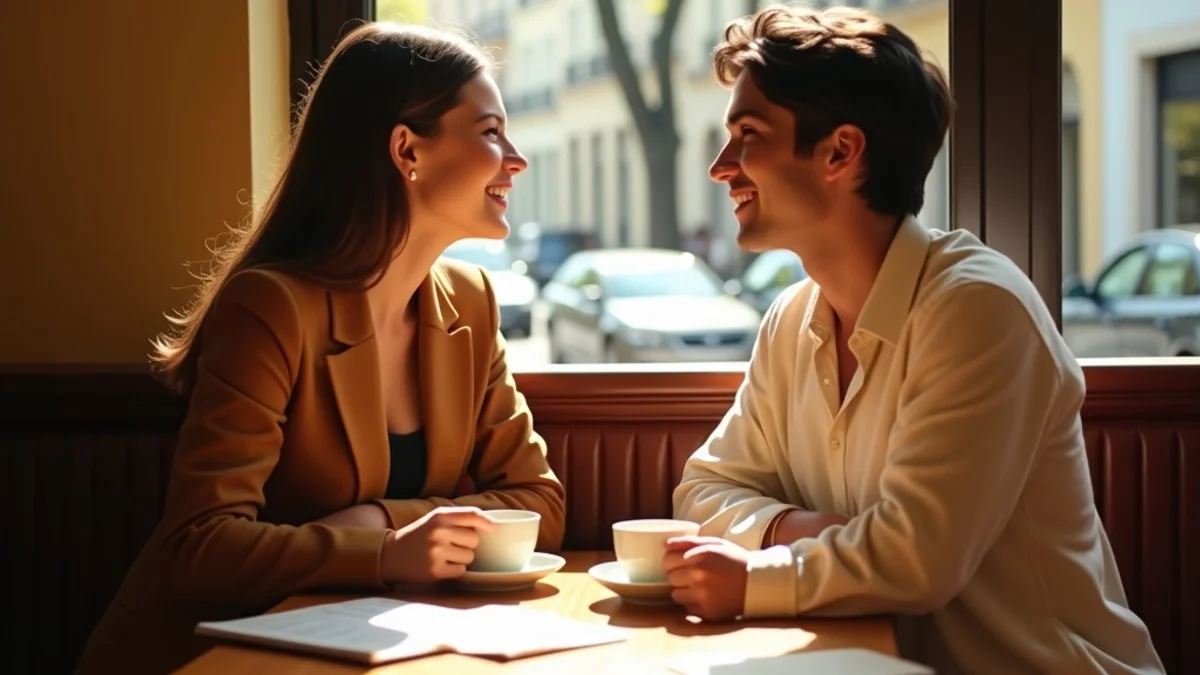
Love is... finding magic over a simple morning coffee with zero forced expectations.

-- meta description: A forensic guide to confronting sextortion on dating apps, with step‑by‑step containment, reporting, and risk‑scoring tools.

In the field of cyber‑forensics, we learn to read the sub‑second latency of packet exchanges. The same principle applies to modern romance: a delayed reply that suddenly snaps to sub‑second speed, a typing cadence that mimics a script, or an LLM‑style token repetition in messages are all tell‑tale signatures of manipulation.

In the field we observe a pattern that would make any seasoned network analyst raise an eyebrow: a Bumble profile that flips from a domestic postcode to a foreign city within a single session, yet the swipe queue appears freshly seeded with local‑centric candidates. The telemetry tells a story—latency spikes of 300‑400 ms on the first request after a location change, typing cadence that collapses from the usual 250 ms/character to a robotic 50 ms/character, and an abrupt hand‑off to WhatsApp with a pre‑filled “Let’s chat” link that bypasses the in‑app messenger.

A forensic‑style 14‑day reset protocol for dating‑app burnout, blending telemetry analysis, offline re‑entry tactics, and mental‑health safeguards for 2026.

-- meta description: Uncover the forensic mechanics behind how modern dating apps score facial symmetry and lighting, with practical checks to spot manipulation.

In the first week of a new connection, the data stream is often noisy. A sudden surge of compliments, instant “let’s meet tomorrow” messages, or an unsolicited WhatsApp link that bypasses the platform’s native chat are classic telemetry flags.

«Love is a flicker of warmth that can be drowned by the static of a pixelated silence.»...

«Love is a trembling signal caught between the static of genuine warmth and the polished echo of algorithmic rehearsal.»...

-- meta description: Uncover the forensic truth behind texting speed. Learn how milliseconds, typing cadence, and reply patterns expose genuine interest or hidden disengagement.

-- meta description: A forensic look at why anxious‑avoidant cycles persist on Tinder, Bumble and peers, and how to dismantle them with data‑driven verification and secure habits.

«Love is a warm signal that can be drowned out by the cold hum of a fabricated blockchain ledger.»...

-- meta description: A forensic look at how scammers forge voice notes on dating platforms, the telemetry that betrays them, and step‑by‑step verification methods for everyday users.

-- description: An investigative guide exposing how bot farms obtain fake verification checkmarks on Tinder, the tactics they use, and forensic steps to protect yourself.

«Love is… a pulse of human impulse that refuses to be reduced to a line of code, yet the code insists on interpreting it.»...

-- Description: Uncover why scammers push WhatsApp in under three messages, the telemetry that betrays them, and forensic steps to protect yourself.

In the field we see a familiar pattern: a user, frustrated by low match rates or an unpleasant encounter, hits the “delete account” button, wipes the app, reinstalls, and creates a brand‑new profile. The expectation is simple – a clean slate.

When a profile flashes a perfect smile, the first red flag rarely appears in the bio. It lurks in the telemetry: a three‑second delay before the first reply, a typing cadence that mimics a human but repeats phrasing like a language model, an abrupt shift from the app’s chat to a WhatsApp link, and a profile picture whose EXIF data shows a camera model discontinued five years ago.

-- meta description: Uncover the micro‑expressions that betray genuine attraction on a first date. A forensic‑style analysis of body language cues you can trust.

In the field of digital courtship, the signals are often more subtle than a fingerprint. A lag of three seconds between messages, a typing cadence that mimics a script rather than a human pulse, or a sudden pivot to a WhatsApp link can all be artefacts of a staged interaction.

-- meta description: A forensic look at Hinge’s “Most Compatible” engine—what telemetry it records, why the pairings feel odd, and how to verify authenticity before swiping.
-- meta description: A forensic look at why imperfect, typo‑laden human chatter outperforms polished AI dating scripts, with real‑world telemetry and practical verification tools.

Discover data‑driven low‑pressure first‑date ideas for 2026. Learn why formal dinners distort behaviour and how to verify authenticity before the check‑in.

-- meta description: A forensic analyst dissects ghosting, bot scams and sudden blocks, offering hard‑won tactics to recognise and recover from digital heartbreak.

When a message sits unread for twelve minutes, then arrives in a flurry of three‑sentence paragraphs, the timing itself becomes a data point. The cadence of keystrokes—alternating between rapid bursts and long pauses—mirrors the classic push‑pull pattern recorded in attachment research.

-- Description: A forensic deep‑dive into how instant swiping erased anticipation, revealing hidden cues, verification tactics and a path back to slow romance.

-- Meta description: Discover a step‑by‑step anti‑sextortion protocol for dating apps in 2026. Learn how to recognise blackmail tactics, secure evidence, and protect yourself from digital extortion.

An AI chat screenshot analyzer is a multimodal diagnostic tool that parses raw messaging screenshots from dating apps (Tinder, Bumble, Hinge) or social direct messages (Instagram, Telegram, WhatsApp) to extract conversational dynamics, emotional investment, and flirting intent. By scanning beyond literal words to evaluate message pacing, character symmetry, linguistic subtext, and subtle micro-flirting cues, neural language models can instantly determine whether your match is romantically captivated, socially polite, or executing a slow fade.

An AI reply generator for dating apps is an intelligent conversational copilot designed to analyze incoming messages or profile prompts and generate customized, high-attraction response options tailored to current conversational context. Instead of relying on generic opening lines or freezing when faced with a cryptic dry text, dating app users employ neural language models to maintain engaging conversational momentum, introduce playful tension, and navigate the transition from digital matching to real-world dates.

Learning how to analyze a Tinder chat screenshot enables dating app users to objectively evaluate conversational health, uncover concealed romantic interest, and identify time-wasters before investing emotional energy. In Tinder's hyper-fast swipe economy, matches often send contradictory signals: replying with enthusiastic emojis while offering zero conversational substance, or sending short texts while secretly waiting for you to propose an in-person meetup.

Finding effective Bumble first message examples is crucial because of Bumble's unique 24-hour match expiration timer. On Bumble, women make the first move, but with the introduction of Opening Moves, both men and women now require high-converting icebreakers that instantly break through digital apathy.

Understanding how to check partner loyalty in chats within modern relationships is fundamentally an exercise in navigating digital boundaries, emotional transparency, and behavioral patterns. In an era where encrypted direct messaging, disappearing photos, and secret chat folders are standard smartphone features, boundary ambiguity can breed severe relationship anxiety.

Identifying dating app red flags in screenshots is an essential self-defense mechanism for anyone navigating modern digital dating. While overt harassment and crude advances are easily detected and blocked, the most damaging relationship hazards—including covert narcissism, love bombing, emotional coercion, and synthetic catfish scams—disguise themselves behind subtle linguistic patterns and psychological micro-syntax.

A flirt test quiz online offers a structured psychological assessment of your conversational instincts, tension tolerance, and digital emotional intelligence (EQ) in modern dating environments. While most people believe their messaging is naturally charismatic, behavioral data shows that nearly 65% of dating app users suffer from unaddressed conversational blind spots—such as over-texting, chronic validation seeking, or failing to read subtle subtext cues.

Finding Hinge icebreakers that actually work requires understanding how Hinge differs from swipe-based dating apps like Tinder or Bumble. ", or a plain like on a photo generate an immediate swipe-left.

The nature of catfishing has transformed dramatically over the past two years. Traditional catfishes copied publicly indexed celebrity photos or stock images easily flagged by basic reverse image searches.

Determining if he is flirting with you over text requires analyzing behavioral subtext rather than taking words at simple face value. Because men often communicate with shorter phrasing, dry humor, or understated enthusiasm, romantic interest rarely looks like an overt poem.

Asking whether she is flirting or just polite is one of the most persistent dilemmas in modern dating. Because women are frequently socialized to be affable, agreeable, and gentle communicators, standard social politeness—such as enthusiastic exclamation marks, smiling emojis, and quick pleasantries—is frequently misinterpreted by men as romantic attraction.

Distinguishing between micro-flirting vs being friendly in DMs is one of the most widespread challenges in contemporary digital culture. Because direct messaging platforms (Instagram DMs, Telegram, WhatsApp) combine informal text with shared media, individuals often employ plausible deniability—deploying subtle flirtatious cues that can be instantly retracted as "just friendly" if unreciprocated.

Mastering how to move from a Tinder match to a real date is the definitive bottleneck in modern online dating. Most users fail not at getting matches or sparking initial banter, but at timing and executing the transition from digital messaging to an in-person meeting.

A free AI rizz checker is an algorithmic evaluation system that ingests your outgoing dating app messages, analyzes conversational pacing, banter elasticity, and tension management, and computes an objective numerical charisma rating from 0 to 100. Rather than relying on generic texting advice or biased feedback from peers, neural models isolate conversational friction points—such as over-qualifying statements, premature compliance, and lack of playful pushback—to optimize your response conversion rate.

A screenshot flirt analyzer is a digital diagnostic workflow that reads raw conversation logs to separate genuine romantic flirtation from routine social politeness. Because text messages lack physical cues like pupil dilation, tone modulation, and tactile proximity, individuals frequently mistake superficial enthusiasm (emojis, exclamation marks) for romantic attraction—or overlook sophisticated flirtatious tension disguised as sarcasm.

The subtle signs of infidelity in text messages rarely surface as blatant romantic confessions or overt photographic evidence. Instead, digital infidelity manifests as micro-behavioral anomalies: sudden shifts in punctuation cadence, unusual response latency during previously open timeframes, unprovoked defensive grammar, and the clinical scrubbing of habitual pet names.

In the field we call “digital courtship”, Bumble presents a veneer of transparency: a profile picture, a bio, and a subtle “active now” cue that many users mistake for a reliable ledger of a match’s recent presence. The reality is a layered protocol stack designed to conserve bandwidth, protect user privacy, and, paradoxically, to keep the algorithm fed with enough noise to stay profitable.

In the last twelve months the average Tinder user has reported a 30‑second increase in the latency between swipe and match, a sudden dip in “Top Picks” visibility, and an odd pattern of conversations that terminate after the first greeting.

-- meta description: Discover forensic‑grade tactics to rescue a stalled Tinder chat. Five pattern‑interrupt texts, real‑world telemetry clues, and a risk calculator guide you back to genuine dialogue.

When a new match appears, the first thing you notice isn’t the profile picture but the rhythm of the reply. Genuine conversation carries the uneven cadence of a human mind: a typo here, a delayed pause there, a sudden change of subject after a personal anecdote.

Did you know that over 30% of dating-app users are still on unverified accounts? Those ghostly profiles flood the feed, inflate match numbers, and create a hidden "matches but no dates" bottleneck.

You'd think that in this day and age, people would be more considerate of others' time. But alas, the "zombie" phenomenon persists in online dating.

Did you know that over 30% of dating-app profiles are still unverified in 2026? On Hinge, that means countless voice prompts are either fabricated or poorly produced, leaving matches guessing whether the person behind the mic is genuine—or a catfish.

" The underlying logic was sound enough in 2021: bots were text-only state machines, and generating natural human speech with authentic room acoustic reverberation was computationally prohibitive for common scammers.

In consumer security, few mechanisms breed more dangerous complacency than a decorative UI element masquerading as an enterprise trust anchor.

I've got a bone to pick with the Tinder ELO algorithm. It's like trying to debug a server that's been hammered by a SYN-flood.

The perils of online dating in the era of audio deepfakes. It's a bit like trying to troubleshoot a network issue without the benefit of a decent packet sniffer.

It is twenty minutes past one in the morning, and the blue glow of an OLED panel casts cold shadows across the ceiling. Somewhere outside your window, autumn rain taps against wet asphalt, rhythmic and real.

Every quarter, executive suites at publicly traded dating conglomerates convene their investor earnings calls. The language spoken on these calls is smooth, antiseptic, and saturated with corporate optimism.

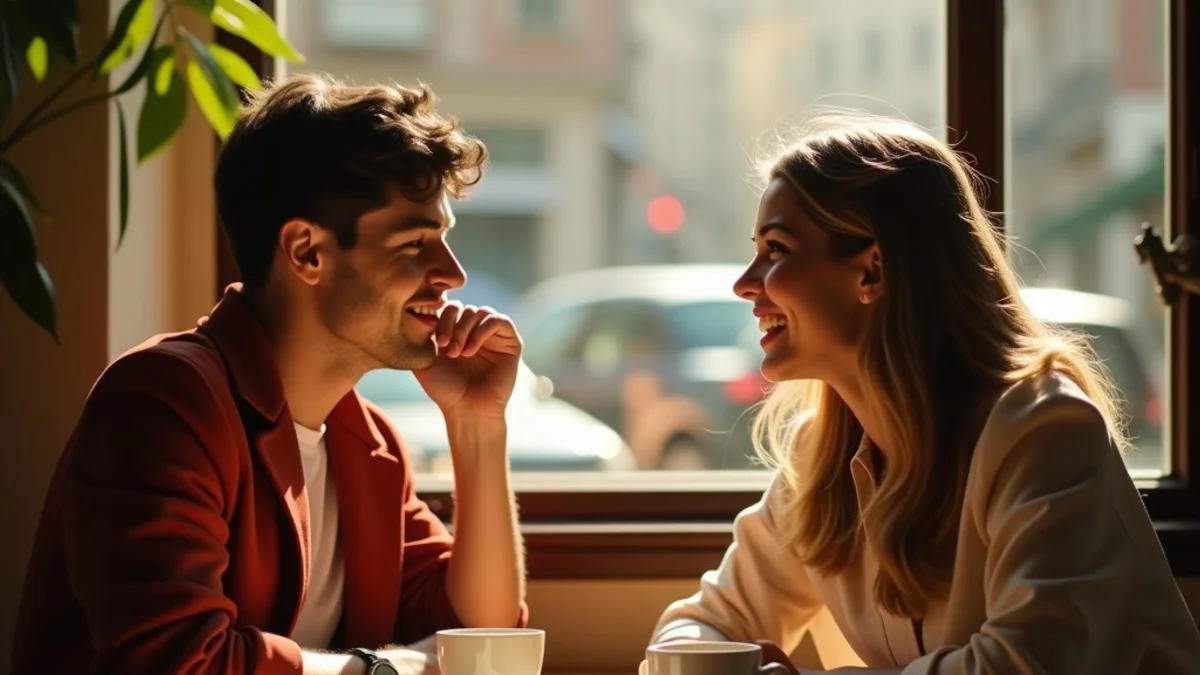
Observe a modern coffee shop in any metropolitan capital on a Thursday evening at seven o'clock.

In software engineering, when an unauthorized process attempts to move encrypted payloads from a monitored sandbox into an unlogged external channel, your intrusion detection system triggers a Sev-1 incident alert.

You'd think, in this day and age, we'd be better at spotting a dodgy profile. Alas, over 32% of active dating-app profiles in 2026 remain unverified.

It appears that over 30% of dating app accounts are never verified. One could say it's a bit of a mess, really.

If your dating defense playbook still consists of dragging someone's profile snapshot into Google Lens and declaring yourself immune to fraud when zero matches pop up, I have bad news. You are operating on 2018 heuristics in an ecosystem that rebuilt its entire offensive stack roughly eighteen months ago.

It's a bit of a mess, really. A recent study suggests over 30% of dating-app profiles are unverified, and about 1 in 5 of those will lead to a "pig-butchering" financial trap.

30%+ of dating-app profiles remain unverified, and the majority of those users never get past the first swipe. One would think this is due to their profiles being a mess of poorly formatted selfies, but no, it's actually because they've failed the anchor test.

Did you know that over 30% of dating-app profiles are still unverified? It's a staggering statistic, really.

Dating apps have become an integral part of modern romance, with millions of users worldwide. However, with the rise of online dating, concerns about authenticity and trust have also grown.

You'd think that, in this day and age, we'd be past the point of being duped by fake online profiles. Alas, over 30% of Tinder profiles remain unverified, and a significant chunk of those are bots designed to harvest data, push scams, or simply waste your time.

| Step | Action | Example in Conversation | |------|--------|--------------------------| | 1️⃣ Photo Match | Run a reverse‑image lookup (Google Lens, TinEye) on the primary picture. | Match sends a beach snap.

Declining a date request without causing a scene is a bit like troubleshooting a misconfigured BGP route - it requires finesse, a dash of empathy, and a healthy dose of realism. With the vast majority of online dating profiles remaining unverified, it's a wonder anyone manages to navigate this digital landscape without losing their mind.

The dating‑app landscape now feels a bit like a legacy BGP table full of stale routes – most entries are legitimate, but a handful of bogus prefixes can bring the whole session down.

Over a third of dating profiles still wander the net without a verification flag – think of it as a server running with a self‑signed cert. The result?

Did you know that over 30% of dating-app profiles remain unverified in 2026? That's roughly a third of the people you swipe right on, potentially using borrowed images – often ripped straight from Instagram influencers, models, or even strangers' private feeds.

When humans write dating bios on a mobile device while squeezed into the Northern line or lounging on a sofa at 11:30 PM, their output reflects the chaotic friction of human thumb input. They forget apostrophes.

Love is... recognizing the nervous hesitation in a living voice, and refusing to surrender your peace of mind to an automated script.

A third of the profiles you’ll meet on a dating app still lack any form of verification. In network terms that’s a massive open port, just waiting for a bot or a scammer to hammer at it.

You'd think that with all the bells and whistles of modern dating apps, catfishers would be a relic of the past. Alas, they're not.

Roughly a third of Bumble accounts never bother with photo or identity verification. In practice that means a sizable slice of every swipe ends up on a bot, a casual flirter, or a plain‑old scammer.

Did you know that over 30% of Hinge profiles are still unverified? In 2026, AI-generated deepfakes and synthetic identities have turned casual swipes into high-stakes cat-and-mouse games.

A swipe left on a profile that never existed feels a bit like a 404 on a love‑router. The numbers are stark: over a third of dating‑app accounts still lack any verification, and the blockchain‑infused scams have already siphoned billions.

Did you know that over 30% of accounts on mainstream dating platforms remain unverified or use synthetic profiles? That means one in three profiles you swipe on might misrepresent their identity, relationship intentions, or core values.

A little over a third of the profiles you’ll meet on the usual dating apps still lack any form of verification. In practice that means you’re as likely to be chatting with a bot as you are with a human who actually remembers how to use a telephone handset.

It's come to this: over 32% of profiles on Tinder, Bumble, and Hinge are unverified. Roughly one in three potential matches might be a fake, a catfish, or a scammer.

Over a third of profiles on the major apps still lack any form of verification. Think of it as a massive open port on a public‑facing server – the perfect vector for covert narcissists to inject their perfectly‑crafted bios and photos.

Scrolling through a sea of unverified profiles feels a bit like watching a SYN‑flood in slow‑motion – the server never quite gets a proper handshake, and you’re left waiting for a FIN that never arrives.

Did you know that over 30% of dating-app accounts remain unverified? That's a lovely way of saying that a significant portion of the people you're chatting with might be bots, cat-fish, or outright scammers.

The average swipe feels a lot like a SYN‑packet that never gets an ACK – you keep sending, waiting for a response that never arrives, and the timeout is inevitable.

A third of the faces you swipe past still carry the “unverified” flag. In practice it’s the same as a server that answers a SYN with a RST – you never know whether the other end will actually exist, or is just a bot spitting out canned payloads.
No investigations found in this category.
FlirtCheck operates as an independent technical and forensic desk based in Cheltenham, UK. We audit commercial matchmaking black-boxes, document synthetic persona swarms, and expose automated romance fraud operations exploiting commercial dating networks.
Reverse-engineering matching algorithms, hidden ELO resets, and chat payload telemetry without corporate mediation.
Zero paid ranking placements, PR agreements, or favorable safety reviews for dating platforms.
Confidential ingest of victim logs, bot scripts, and telemetric dumps under source anonymity.